Auckland: Using the Design Check in tactical urbanism
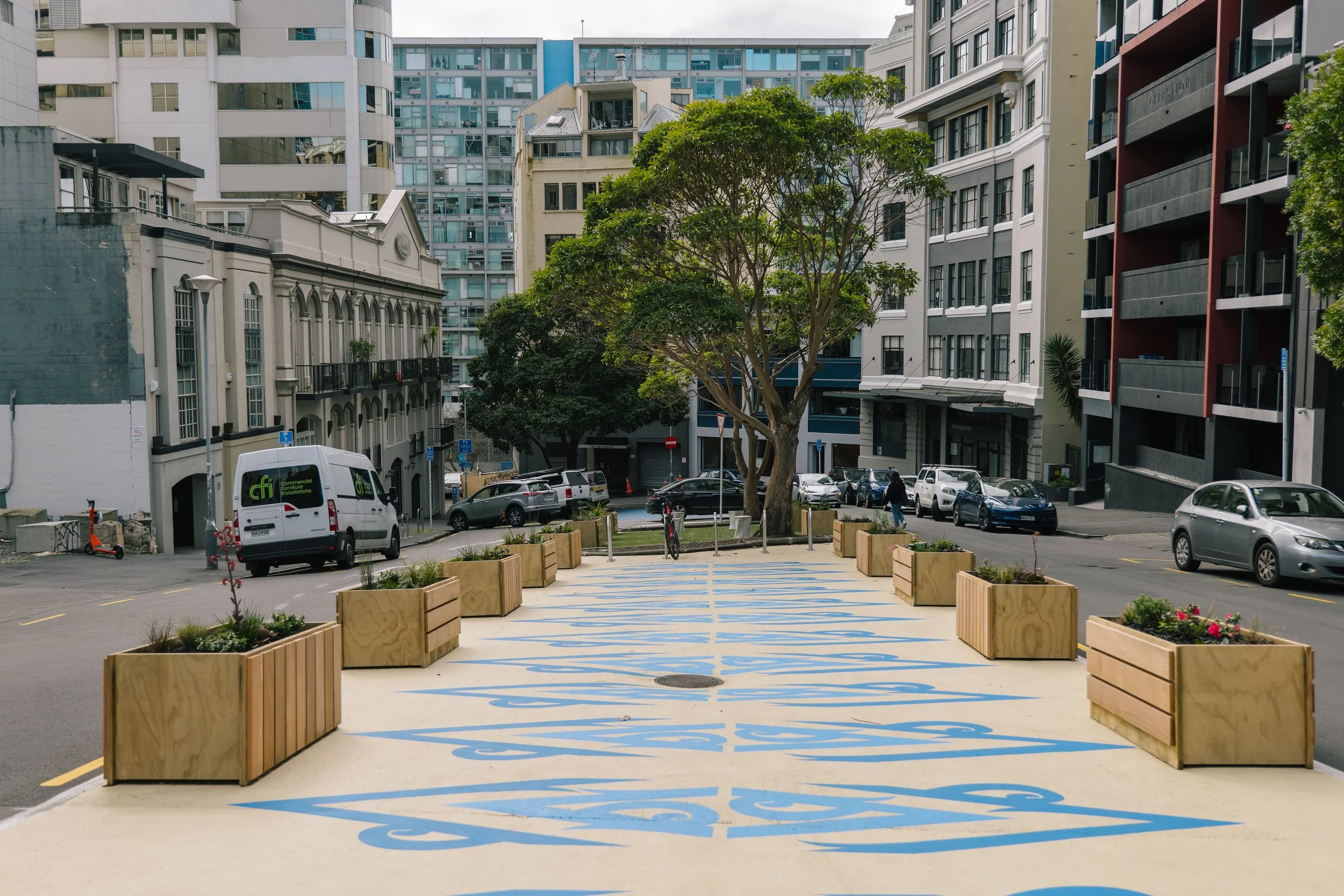
Emily Place, Auckland
Emily Place in Auckland’s City Centre shows how the Design Check tool can be used to prioritise in the design process.
Emily Place formed part of the national “Innovating Streets for People” programme 2019-2021 which funded tactical urbanism improvements create a better experience for people on streets. The project budget was approximately $200k NZD. The learnings from this temporary phase are now being taken forward into a long-term upgrade of the street which is currently in progress. The budget for this phase is approximately $10m NZD.

Claire Davis, Healthy Streets Designer
Claire Davis was the project manager and urban designer for the Innovating Streets phase and sits on the design team for the current upgrade. The Healthy Streets Design Check was carried out retrospectively to assess the pre and post Innovating Streets project to help the design team understand how effective the project has been and where gaps still lie. The Design Check has also been used to assess concept design options for the current phase of the project.
This is a great example of how useful the Design Check tool can be for prioritising elements of a street design project and how spending more money does not always equate to delivering a better street for people. As this project is in New Zealand the Healthy Streets Design Check for New Zealand was used to assess its performance.
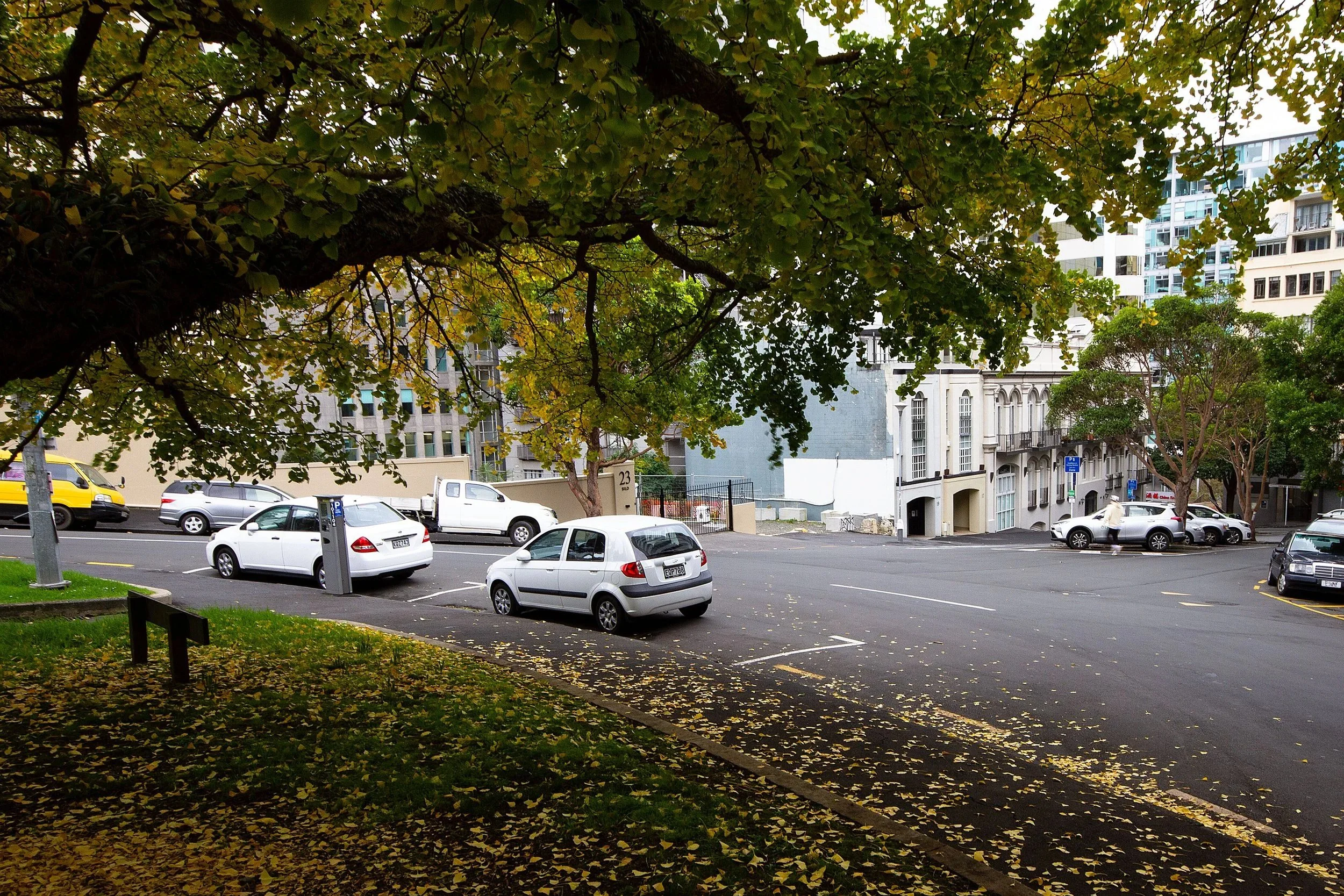
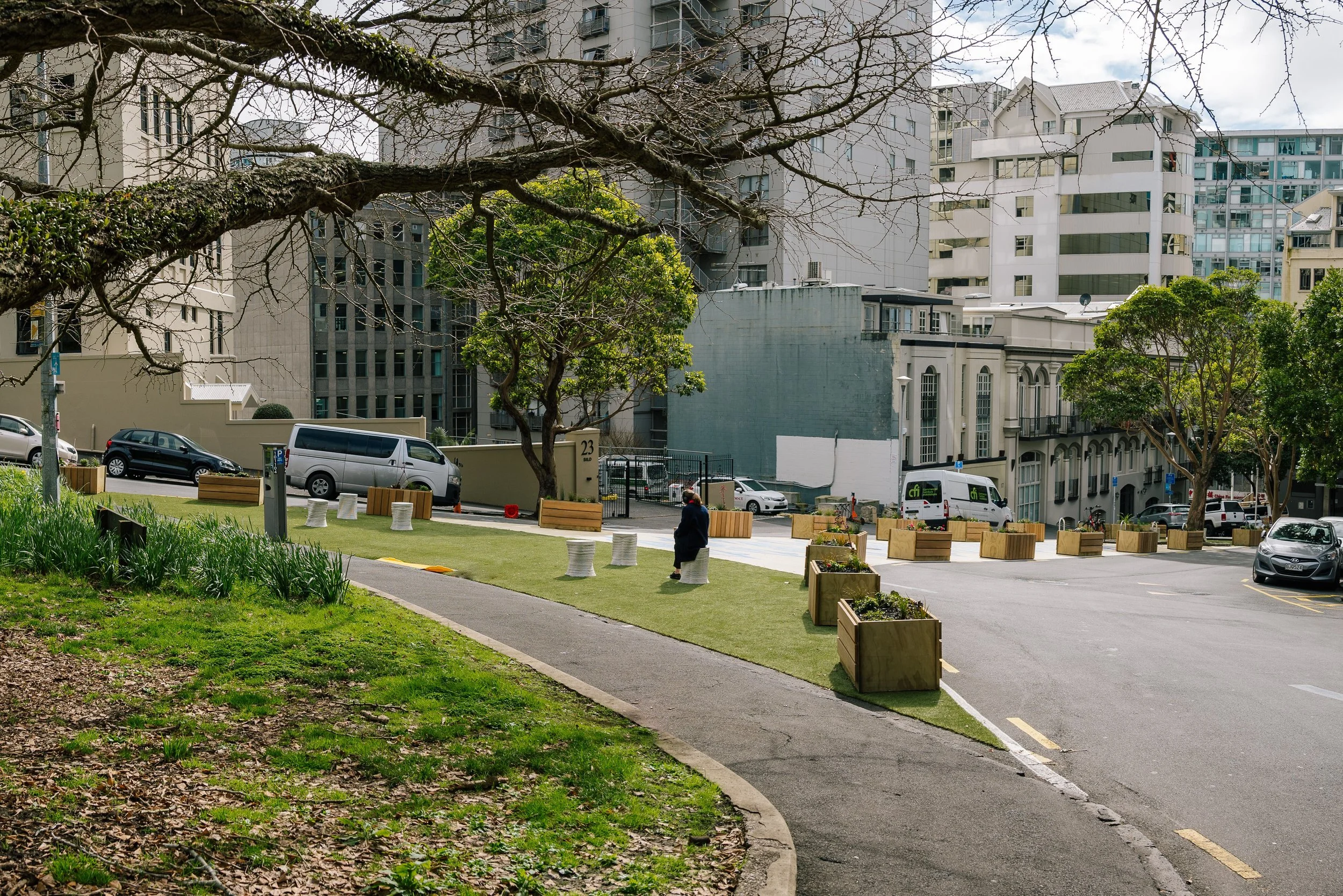
First the Design Check was used to compare the street before and after the tactical urbanism project ‘Innovating Streets’ was applied. This showed a clear improvement from the pre- to post-Innovating Streets state with its score rising from 34 out of 100 to 50 out of 100. This was achieved through provision of necessary Healthy Streets features such as seating, planting, bike parking and sense of place elements as well as traffic calming measures. All of these basic street elements had been lacking in this location so adding them resulted in a big jump in the score of 16 percentage points.
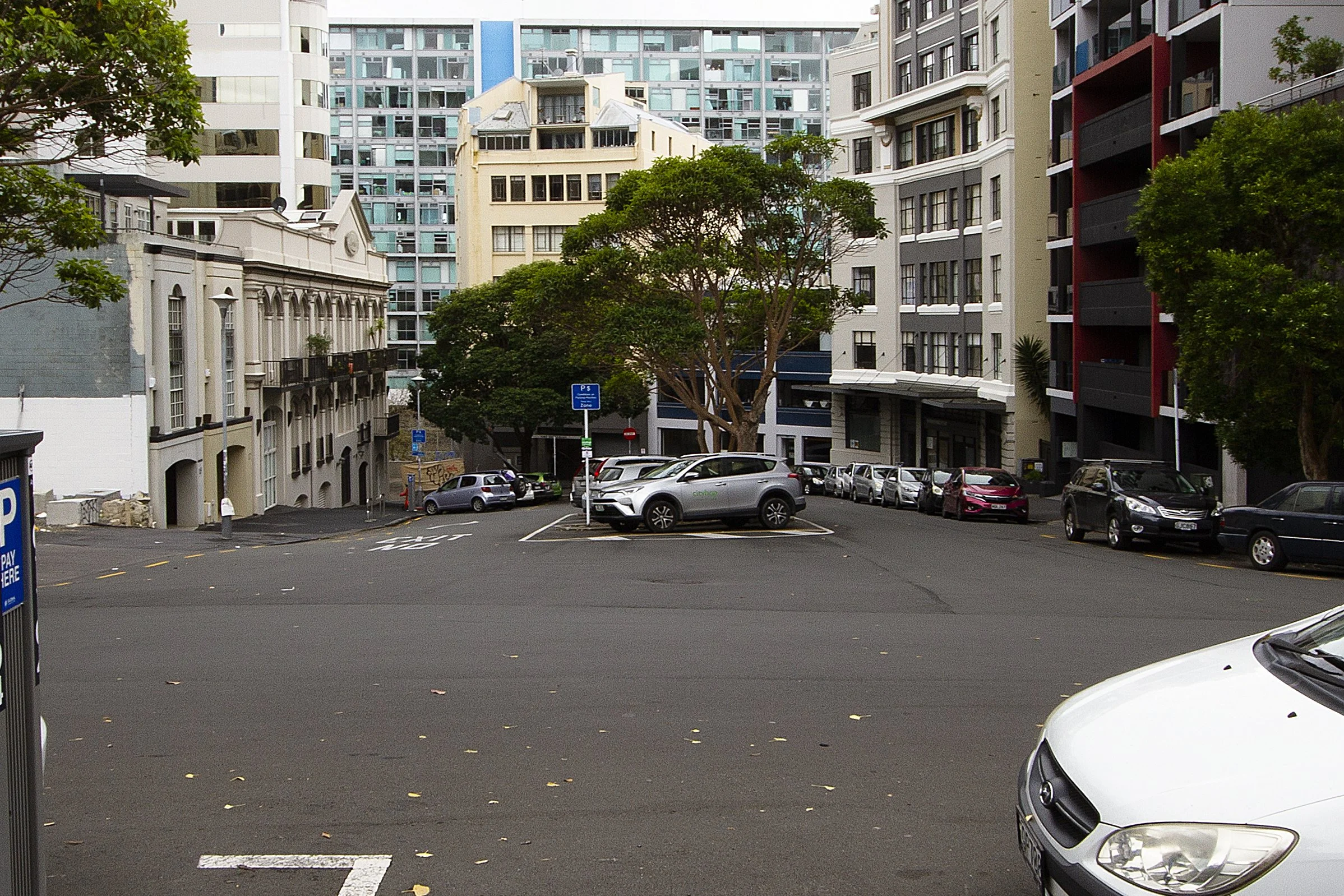
Emily Place before temporary improvements were made
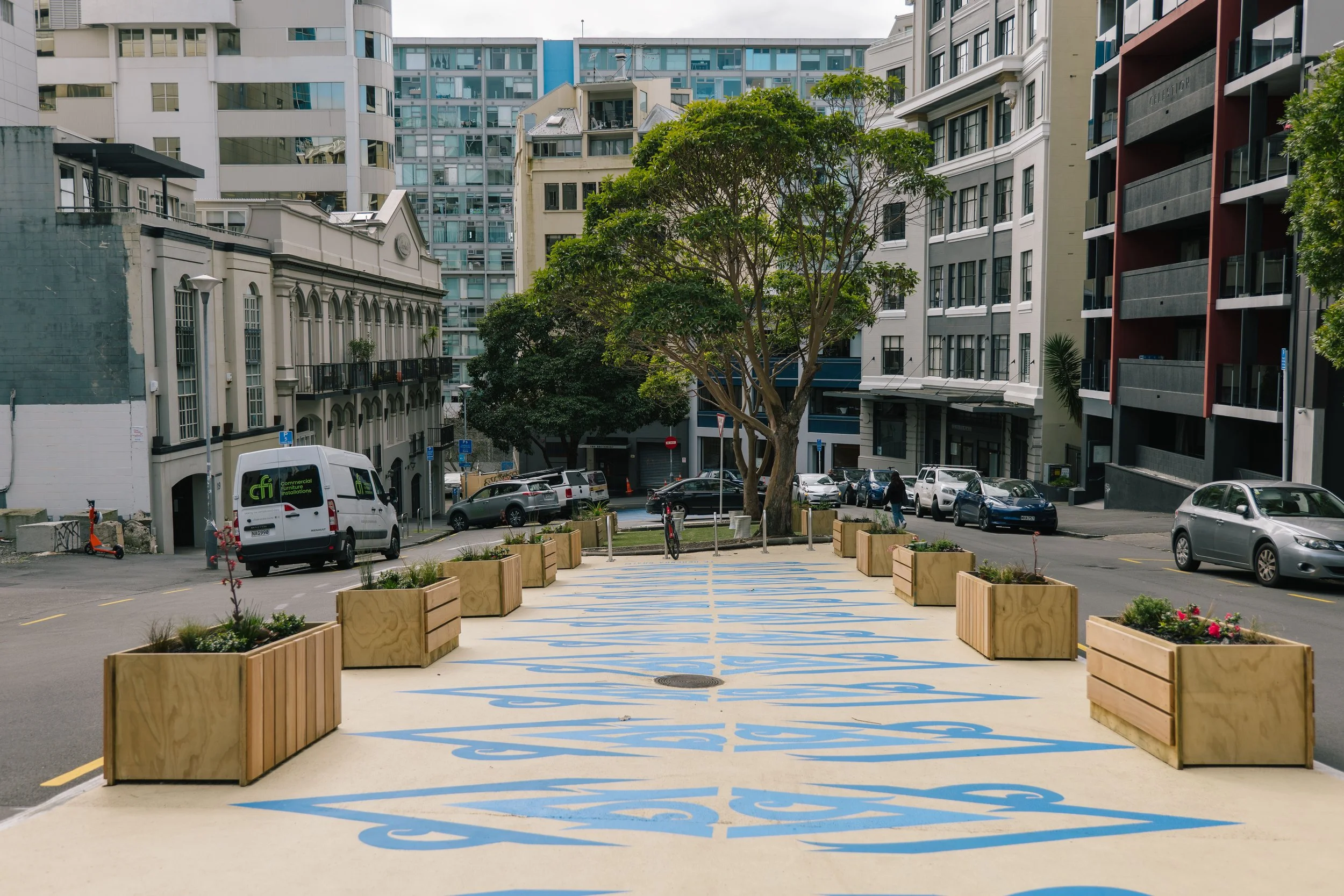
Emily Place with temporary improvements
Next the Design Check was applied to a comparison between the Innovating Streets design and a proposed ‘reduced scope’ concept design option for a permanent change to the street. This showed a score change from 50 out of 100 to 60 out 100 which is still an impressive uplift as the Design Check is a conservative tool. This score improvement was achieved through better mid-block crossing facilities, better footpath and carriageway quality, better lighting and better intersection treatments.
Finally the Design Check was used to compare the ‘reduced scope’ option for a permanent project with a much more expensive ‘full scope’ option. The additional expense for the full scope option does not appear to be delivering great value for money from a Healthy Streets perspective as it only lifts the Healthy Streets Design Check score 1 percentage point higher (to 61 out of 100) due to better mid-block crossing options.
This example clearly shows that you can make streets much healthier without a big budget for you apply the Design Check tool to focus investment in the elements that make the biggest difference to people. The biggest score improvement was through the tactical phase of works which had the smallest budget, demonstrating that it is much more important that the street is providing basic Healthy Streets elements than the quality of its materials and finishes.
Below are images showing the most impactful improvements that were delivered through tactcal improvements.
More Case Studies