Embedding Healthy Streets into the project delivery process
Delivering the Healthy Streets Approach is not about finding a large pot of spare money and building a perfect street.
In fact having a high profile, high cost infrastructure project can give the impression that Healthy Streets is about spending more money to achieve a state of perfection. This could not be further from the essence of what the Healthy Streets Approach is all about.
Hampshire County Council should be seen as an exemplar in embedding the Healthy Streets Approach through a sustained and enduring shift to their business as usual practice. In just 5 years they have made big changes through a steady, incremental programme.
Capacity Building
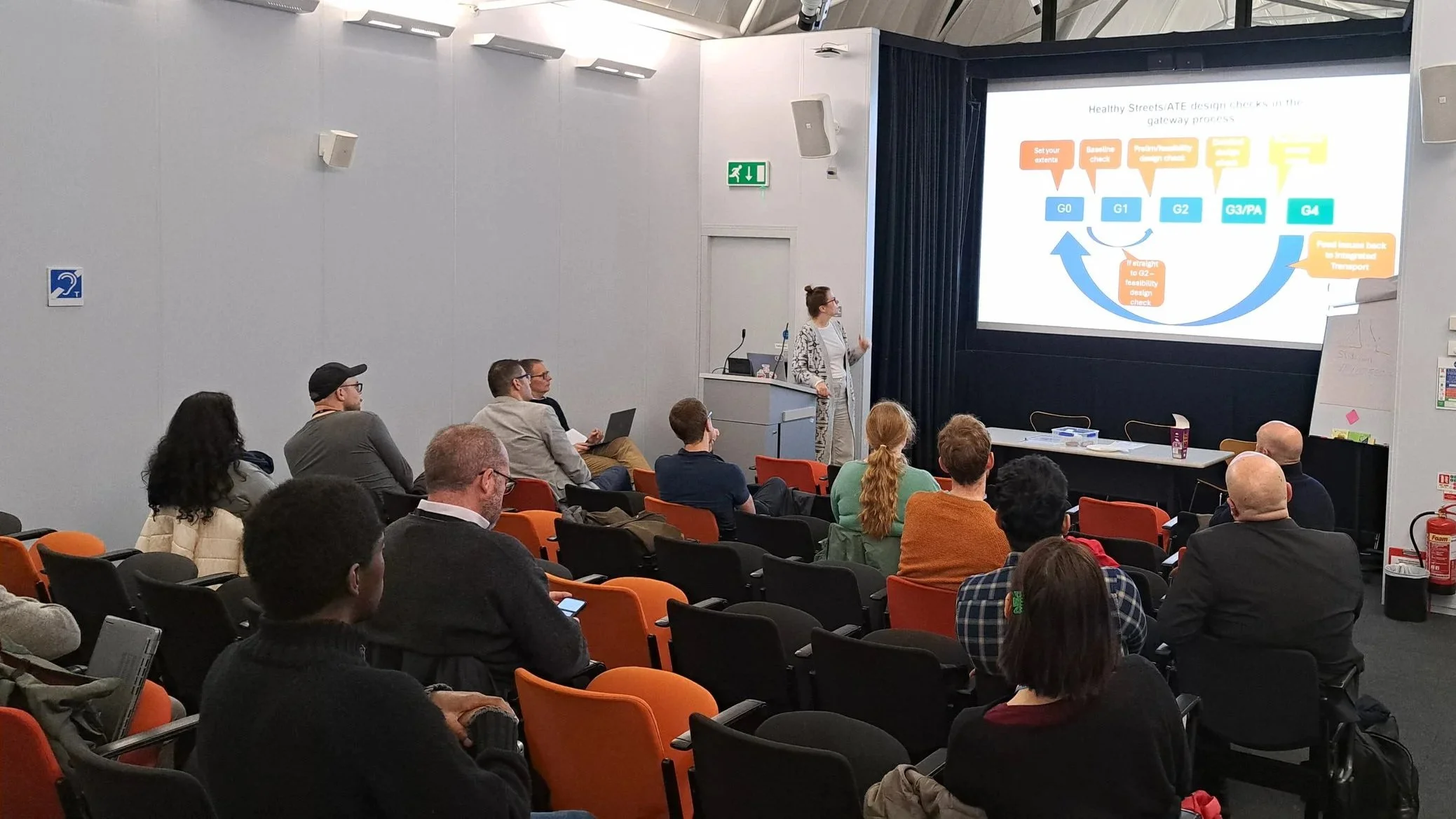
Since 2022 they have been delivering a wide-range programme of training and support amongst not only their own practitioners but also elected members, senior managers, contractors and staff from boroughs and districts. Over 300 people have been trained so far. Some have received focused sessions looking at their own team’s work such as school travel planning, maintenance, or communications while others have been looking at how to embed the Healthy Streets Approach into their processes e.g. design and project management. They have a large core group across departments who have achieved accreditation as Healthy Streets Practitioners and Designers. As a result of this in-house expertise they are able to run their own internal training sessions to get new-starters skilled up in applying the Healthy Streets Approach in their work.
Capacity building is so important because if you don’t engage each individual personally on how to do their day-to-day work differently the good intentions in policy do not translate into practice in the real world.
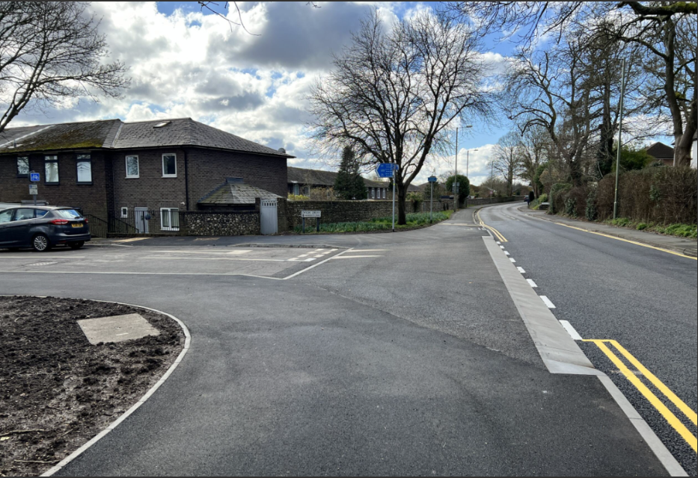
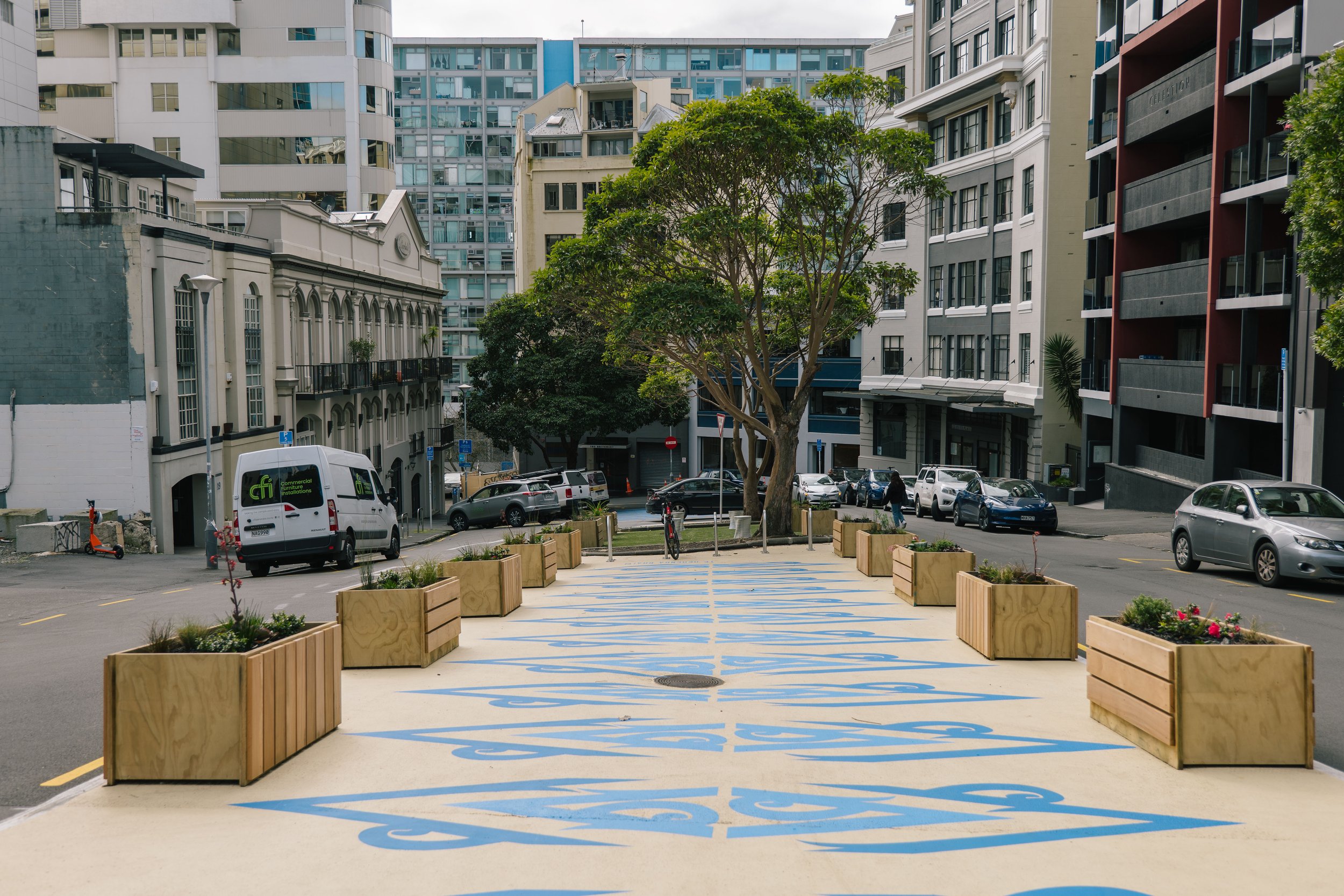
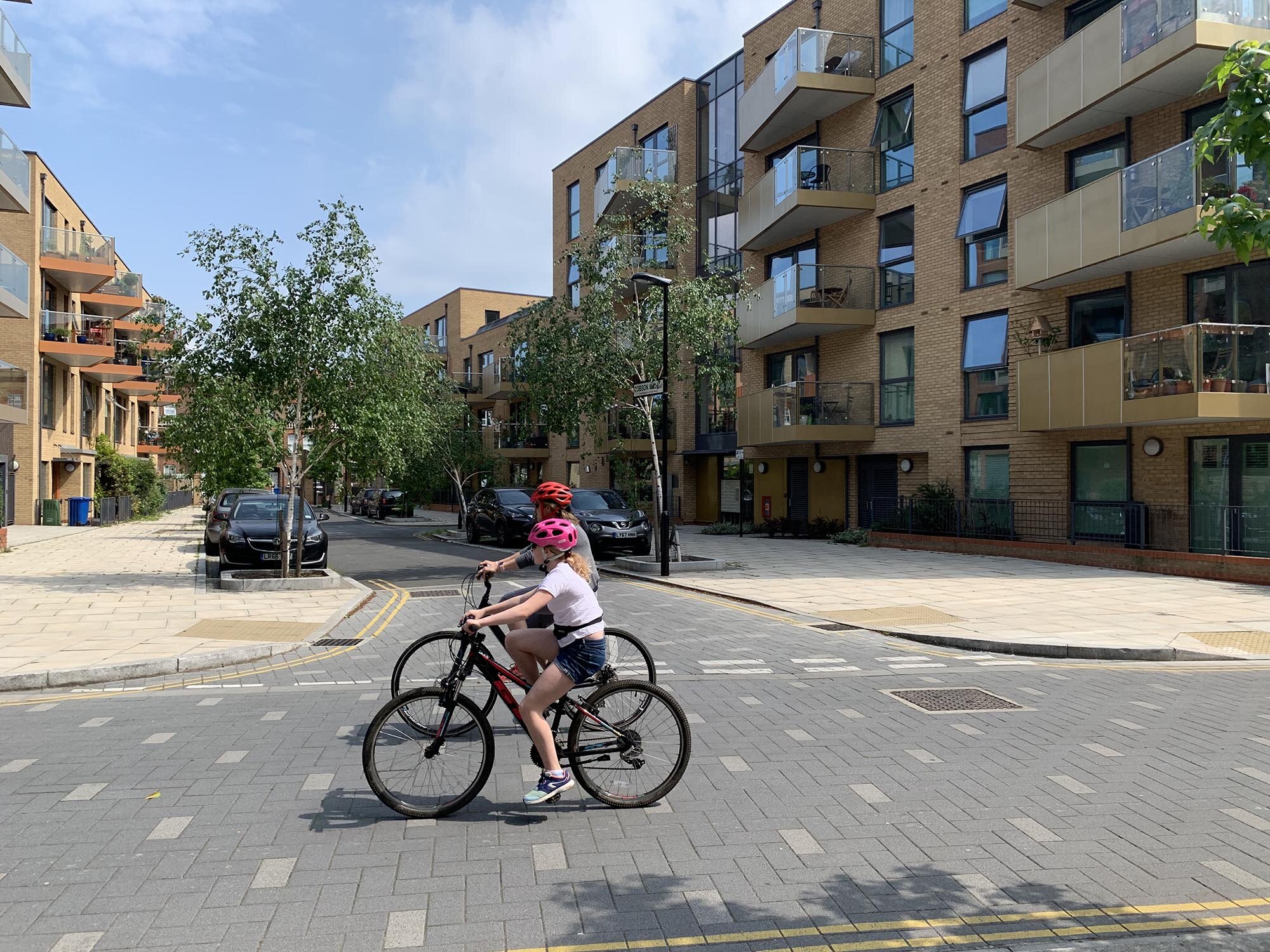
Example of new Technical Guidance in practice: Priority side-road crossing
Policy & Guidance
Setting Healthy Streets into policy and guidance can help equip practitioners to push for and strengthen new ways of working.
Hampshire’s Local Transport Plan 4 (LTP4) was adopted by Cabinet in February 2024 It sets Healthy Streets as a core theme and says they will use a Healthy Streets Approach to plan and design welcoming, comfortable, safe and inclusive networks for everyone regardless of ability, confidence, age and disability. They are developing a Movement and Place framework using Healthy Streets as the lens through which they conduct their strategic level network planning and have run workshops with close to 100 place based professionals from across the County and neighbouring authorities to gather inputs and test the framework. They have Local Cycling and Walking Implementation Plans (LCWIPs) for the whole county and the walking zones and routes within these plans have a particular focus the Healthy Street Indicators. Now they are encouraging districts and boroughs to include Healthy Streets Approach in their Local Plan policies to inform spatial planning decisions and negotiations with developers
The latest publication from Hampshire County Council which could be a useful case for other local authorities to look at is their Technical Guidance . This is used in both internal and developer-led schemes and ensures that essential factors for healthy and inclusive street environments become routine practice. Some key new additions are:
- Putting crossings on desire-lines
- Using priority crossings at side-streets
- Setting the minimum footpath width at 2m (up from 1.5m)
- Adding seating to support inclusivity
Processes
The other key element that is essential for an organisation to implement the Healthy Streets Approach is reviewing and strengthening processes to deliver outcomes that prioritise people.
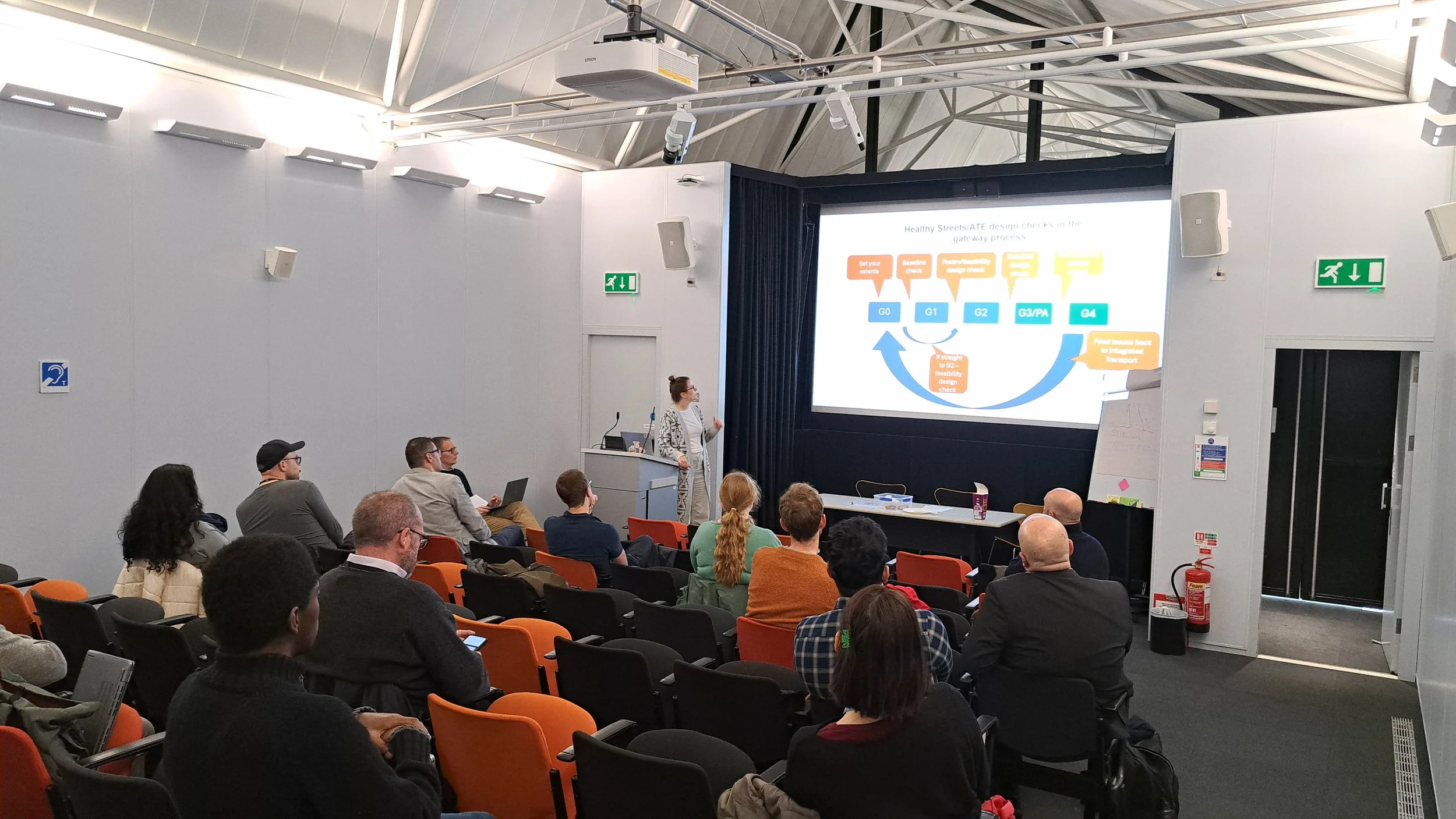
Like many organisations Hampshire uses a Gateway process to responsibly manage the delivery of projects. They have embedded Healthy Streets at key decision points in this process including the Healthy Streets Design Check score. One of the first steps they took to understand how the Healthy Streets Design Check could enhance their processes was to conduct a look-back evaluation of 5 recently delivered projects. This highlighted how decisions could be taken differently to raise the Healthy Streets Design Check score.
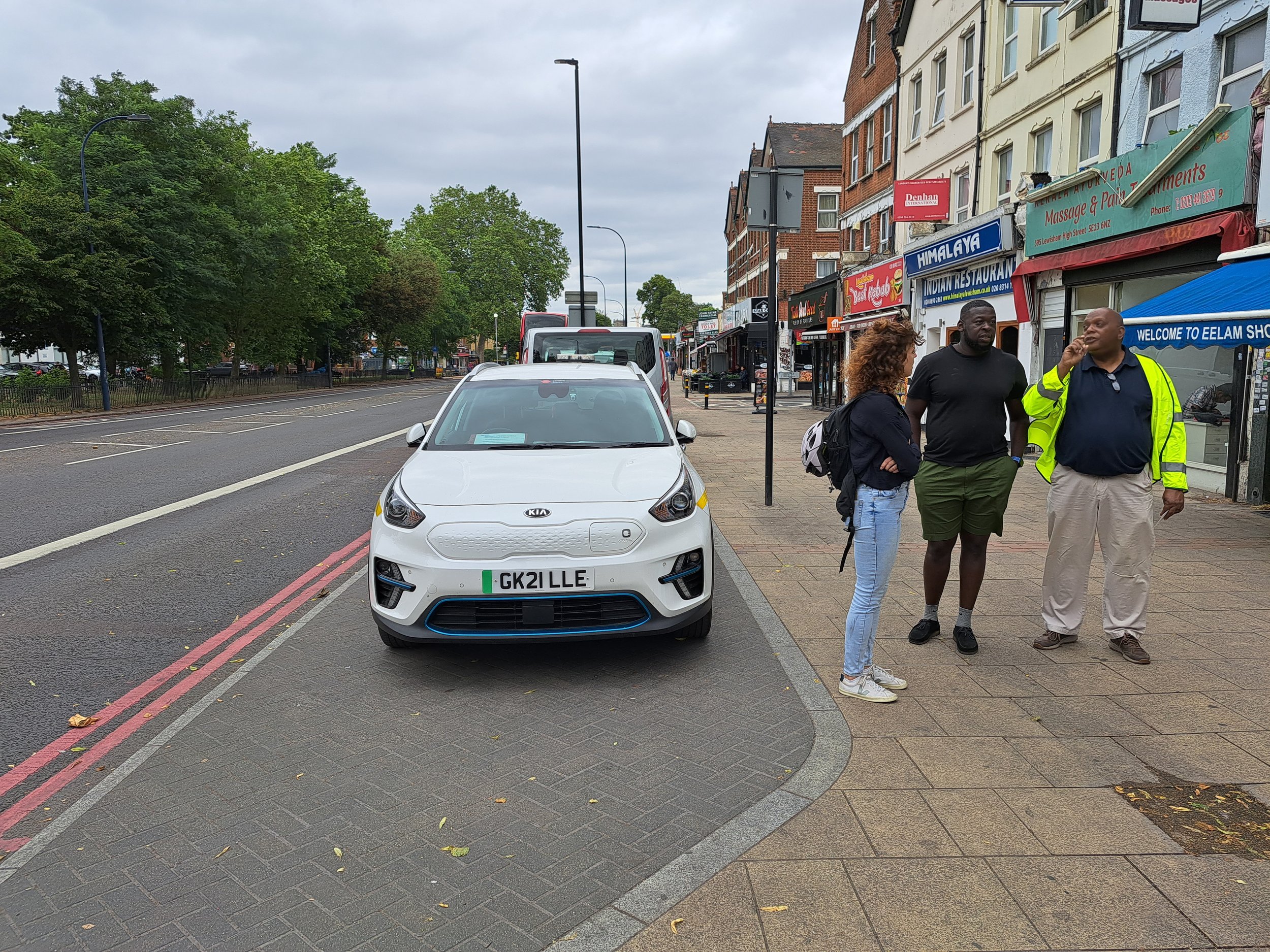
Hampshire County Council have also developed their own Light-touch Checklist for application as part of routine maintenance inspections. This means that routinely tactile pavers are added retrospectively at crossing facilities and signage is consolidated to increase the available walking space on footpaths. They also switched the traffic signals by default to ‘pre-time max’ to enhance the accessibility of crossings for people walking.
More Case Studies